Understanding 1.5 Tog Sleeping Bags: A Comprehensive Guide
A 1.5 tog sleeping bag is ideal for nursery temperatures between 21°C and 23°C, offering a comfortable balance for your little one throughout the year.
What is a Tog Rating?
Tog rating is a unit of thermal resistance, essentially measuring how warm a sleeping bag or other textile is. It indicates the level of insulation provided – the higher the tog rating, the warmer the item. This system originated with duvets but is now commonly used for baby sleeping bags, helping parents select the appropriate warmth level for their child’s sleep environment.
A lower tog rating, like 1.5, signifies a lighter level of warmth, suitable for warmer rooms or seasons. Conversely, higher ratings (2.5, 3.5, and beyond) are designed for colder temperatures. Understanding tog ratings is crucial for maintaining a safe and comfortable sleep temperature for your baby, minimizing the risk of overheating or becoming too cold. It’s a standardized system, allowing for consistent comparisons between different brands and products.
Choosing the correct tog rating ensures your baby remains at a comfortable and safe temperature throughout the night, promoting undisturbed sleep and overall well-being. Always consider the room temperature alongside the tog rating when dressing your baby for bed.
How 1.5 Tog Relates to Room Temperature
A 1.5 tog sleeping bag is specifically designed for room temperatures typically ranging between 21°C and 23°C (70°F and 73°F). This rating provides a comfortable level of warmth without causing overheating in these conditions. It’s a versatile option, often suitable for year-round use depending on your home’s heating and cooling systems.
However, it’s vital to remember that these are guidelines, and individual babies have different thermal needs. Factors like your baby’s weight, clothing layers, and activity level can all influence their comfort. Regularly checking your baby’s temperature – by feeling the back of their neck – is crucial to ensure they aren’t too hot or too cold.
Using a room thermometer is highly recommended for accurate temperature monitoring. A 1.5 tog bag is a good starting point, but adjustments may be necessary based on your baby’s individual needs and the actual room temperature. Prioritizing a safe sleep environment is paramount.
Ideal Room Temperatures for a 1.5 Tog Sleeping Bag
The sweet spot for utilizing a 1.5 tog sleeping bag lies within a room temperature range of 21°C to 23°C (approximately 70°F to 73°F). This range provides an optimal balance, preventing your baby from becoming either too warm, which increases the risk of overheating, or too cold, disrupting their sleep.
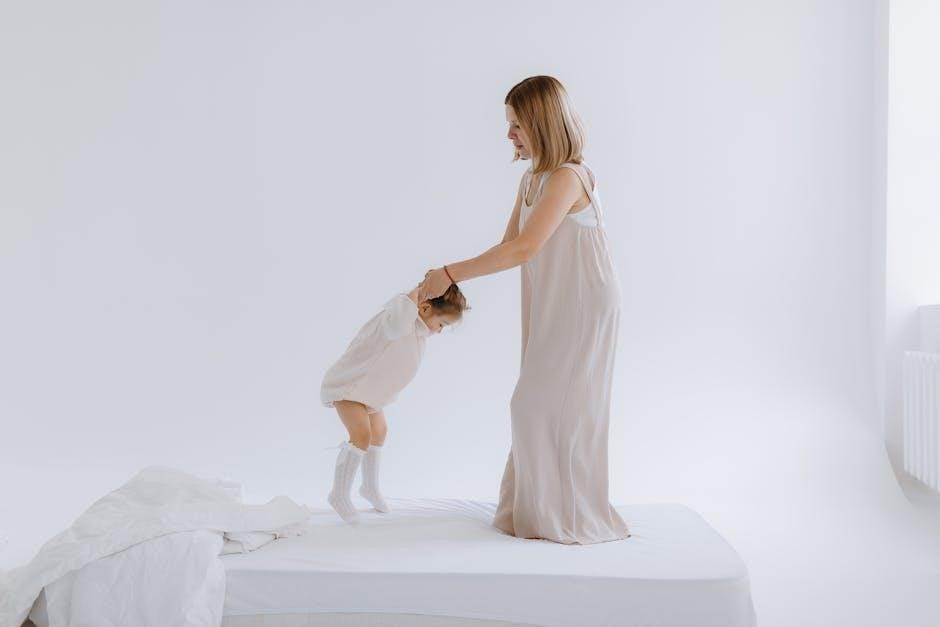
Maintaining a consistent temperature within this range is ideal, but slight fluctuations are normal. If the room temperature dips slightly below 21°C, layering your baby in appropriate sleepwear can compensate. Conversely, if the temperature rises above 23°C, consider reducing clothing layers or opting for a lighter tog rating.
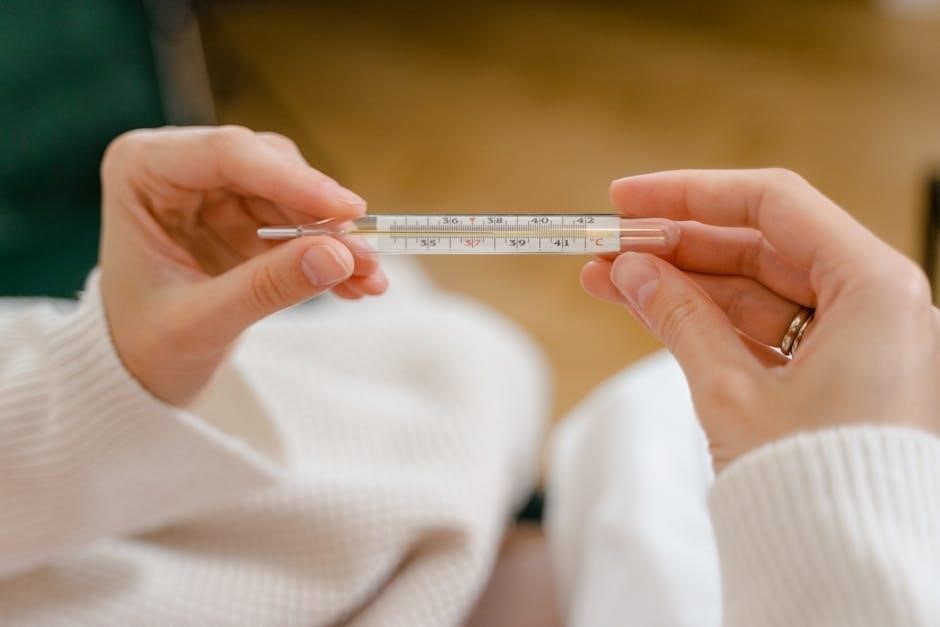
Regularly monitoring the nursery temperature with a room thermometer is essential. Remember that a comfortable room temperature isn’t just about the tog rating; it’s about creating a safe and cozy sleep environment tailored to your baby’s individual needs and ensuring their well-being throughout the night.
Seasonal Use of 1.5 Tog Sleeping Bags
A 1.5 tog sleeping bag is remarkably versatile, making it suitable for year-round use in many climates. During spring and autumn, when temperatures fluctuate, the 1.5 tog rating often provides the perfect level of warmth without overheating. It’s particularly well-suited for nurseries consistently maintained between 21°C and 23°C.
In milder winter months, a 1.5 tog bag can be sufficient, especially when paired with appropriate sleepwear like a long-sleeved bodysuit. However, during colder winter periods, you might need to transition to a higher tog rating (2.5 or 3.5) to ensure your baby remains comfortably warm.
Even in summer, a 1.5 tog bag can be used on cooler nights or in air-conditioned rooms. Always prioritize monitoring your baby for signs of overheating, adjusting clothing layers accordingly. This adaptability makes the 1.5 tog a practical choice for parents navigating changing seasons.

1.5 Tog vs. Other Tog Ratings (2.5 & 3.5)
The tog rating indicates a sleeping bag’s thermal resistance. A 1.5 tog bag offers a moderate level of warmth, ideal for room temperatures between 21°C and 23°C. Compared to a 2.5 tog, it’s lighter and better suited for milder conditions, preventing overheating in warmer nurseries.
A 2.5 tog bag provides more warmth, generally recommended for cooler rooms around 18°C to 20°C. It’s a good choice for winter or colder climates. The 3.5 tog is the warmest option, best for very cold rooms (below 16°C), offering substantial insulation.
Choosing the right tog depends on your nursery’s temperature. Using a tog rating too high can lead to overheating, while a rating too low might leave your baby feeling cold. Regularly check your baby’s temperature and adjust the tog rating and clothing layers as needed to ensure optimal comfort and safety.
Choosing the Right Size 1.5 Tog Sleeping Bag
Selecting the correct size 1.5 tog sleeping bag is crucial for both comfort and safety. Bags come in various sizes, typically categorized by baby’s length, not weight or age. Newborn sizes (up to 70cm) are ideal for the first few months, while larger sizes accommodate growth.
Ensure the bag isn’t too large, as excess fabric can pose a suffocation risk. A snug fit around the shoulders, with enough room for kicking, is perfect. Many brands offer adjustable features, like armholes or shoulder snaps, to customize the fit as your baby grows.
Always refer to the manufacturer’s size guide, as sizing can vary between brands. Regularly check the fit; if your baby seems restricted or the bag is becoming too small, it’s time to size up. Prioritize safety and comfort when choosing the appropriate size for your little one’s 1.5 tog sleeping bag.
Materials Used in 1.5 Tog Sleeping Bags
1.5 tog sleeping bags utilize a variety of materials to achieve their thermal resistance and comfort. Common outer layers include soft cotton, which is breathable and gentle on sensitive skin. Polyester is also frequently used for its durability and ease of care.
The filling is key to the tog rating. Common fillings are synthetic fibers like polyester wadding, offering good insulation at an affordable price. Higher-end bags may feature natural fillings like bamboo or merino wool, known for their superior temperature regulation and breathability.
Linings are typically made of cotton or a cotton blend, ensuring a comfortable inner surface. It’s important to consider the material composition when choosing a bag, especially if your baby has allergies or sensitivities. Breathable materials help prevent overheating, while soft fabrics promote peaceful sleep.
Safety Considerations When Using 1.5 Tog Bags
Prioritizing safety is paramount when using a 1.5 tog sleeping bag. Always ensure the bag fits your baby correctly – not too loose, which poses a suffocation risk, nor too tight, restricting movement. A well-fitted bag allows for hip and leg movement, crucial for healthy development.
Regularly check the bag for any damage, such as loose seams or broken zippers. Discontinue use if any defects are found. Position the sleeping bag on a firm, flat mattress, free from loose bedding, pillows, or bumpers, to minimize the risk of accidental suffocation.

Monitor your baby’s temperature to prevent overheating, especially in warmer rooms. Avoid overdressing your baby underneath the bag. Remember, a room temperature of 21-23°C is ideal for a 1.5 tog bag, but individual babies may vary. Always follow the manufacturer’s instructions for safe usage.
Checking for Overheating with a 1.5 Tog Bag
Regularly monitoring your baby for signs of overheating is crucial when using a 1.5 tog sleeping bag. Feel the baby’s chest or the back of their neck; it should be warm, not hot or sweaty. Check for flushed cheeks, rapid breathing, or restlessness – these can indicate discomfort due to excessive warmth.
Pay close attention to the room temperature, aiming for the recommended 21-23°C. Use a room thermometer to ensure accuracy. Adjust the baby’s clothing layers underneath the bag accordingly. A lightweight bodysuit or pajamas are generally sufficient. Avoid heavy or bulky clothing.
If you suspect overheating, remove a layer of clothing or switch to a lighter tog sleeping bag. Never rely solely on the feel of the baby’s head, as hands and feet often feel cooler. Prioritize a comfortable and safe sleep environment by proactively checking for overheating signs.
Layering Clothing Under a 1.5 Tog Sleeping Bag
Appropriate layering under a 1.5 tog sleeping bag is key to maintaining a comfortable body temperature for your baby. The goal is to dress the baby similarly to how you would dress yourself for that same room temperature. Generally, a lightweight bodysuit or a short-sleeved pajamas are ideal starting points.
Avoid overdressing, as the 1.5 tog provides significant warmth. Consider the material of the clothing; breathable fabrics like cotton are preferable to synthetic materials. If the room temperature is on the cooler side of the 21-23°C range, you might add a thin layer, such as a sleep sack or a lightweight cardigan, underneath.
Always check the baby’s temperature regularly to ensure they aren’t too hot or too cold. Adjust the layers as needed, prioritizing comfort and safety. Remember, a slightly cooler baby is safer than an overheated one. Prioritize breathable fabrics and avoid bulky items.
Recognizing Signs of a Comfortable Baby
Determining if your baby is comfortable within a 1.5 tog sleeping bag involves observing several key indicators. A comfortably warm baby will have skin that feels lukewarm to the touch – not hot or cold. Check their chest or the back of their neck, avoiding hands and feet which are often cooler.
Observe your baby’s behavior. Peaceful, relaxed sleep is a strong sign of comfort. If they are sleeping soundly without restlessness, they are likely at a good temperature. Conversely, signs of discomfort include sweating, flushed cheeks, rapid breathing, or shivering. These suggest the baby is either too warm or too cold;
Pay attention to their clothing; if they’re kicking off blankets or seem agitated, adjust the layers underneath the sleeping bag. Trust your instincts – you know your baby best! Regular checks and adjustments ensure optimal comfort and a safe sleep environment.
Cleaning and Caring for Your 1.5 Tog Sleeping Bag
Maintaining a 1.5 tog sleeping bag’s quality and hygiene is crucial for your baby’s health. Always refer to the manufacturer’s care label for specific instructions, as materials vary. Generally, most 1.5 tog bags are machine washable, but avoid harsh detergents or bleach, opting for a mild, baby-safe detergent instead.
Before washing, close any zippers or Velcro fasteners to prevent snagging. A gentle cycle with cool or lukewarm water is recommended; Tumble drying on a low heat setting is often permissible, but air drying is preferable to preserve the tog rating and fabric integrity. Avoid direct sunlight, which can fade colors.
Regular washing – ideally after every few uses, or when soiled – helps remove allergens and bacteria. Inspect the bag periodically for any damage, such as loose seams or worn fabric. Proper care extends the lifespan of the sleeping bag, ensuring a safe and comfortable sleep for your little one.
Brands Offering Popular 1.5 Tog Sleeping Bags
Several brands consistently receive positive reviews for their 1.5 tog sleeping bags, catering to diverse budgets and preferences. Sainsbury’s TU baby range is frequently praised for its affordability and suitability for temperatures around 21°C to 23°C, often mirroring typical nursery environments.
Other popular choices include Aden + Anais, known for their muslin cotton designs and breathability, and Slumbersac, offering a wide range of sizes and designs with a focus on safety and comfort. Morland offers high-quality, British-made sleeping bags, prioritizing natural materials and durability.

Grobag is a well-established brand recognized for its integrated thermometer technology, allowing parents to easily monitor the baby’s temperature. When selecting a brand, consider factors like material composition, tog rating accuracy, ease of cleaning, and safety certifications. Reading customer reviews can provide valuable insights into real-world performance and longevity.
1.5 Tog Sleeping Bags for Different Baby Ages
The suitability of a 1.5 tog sleeping bag varies with a baby’s age and developmental stage. For newborns and younger infants, maintaining a consistent and safe temperature is crucial, making a 1.5 tog bag appropriate for room temperatures between 21°C and 23°C. As babies grow and become more active, their ability to regulate their own temperature increases.
However, a 1.5 tog rating remains a good choice for most ages, provided the room temperature is within the recommended range. It’s essential to monitor the baby for signs of overheating or being too cold, adjusting clothing layers accordingly. Larger sizes are available to accommodate growing babies, ensuring freedom of movement while maintaining a secure fit.
Transitioning to different tog ratings may be necessary as the seasons change or the baby reaches milestones like rolling over or standing. Always prioritize safety and comfort, selecting a sleeping bag appropriate for the baby’s age, size, and the prevailing room temperature.
Troubleshooting Common Issues with 1.5 Tog Bags
One frequent concern is overheating, even within the 21°C-23°C range. Regularly check your baby’s chest or back of the neck; slightly warm is ideal, but avoid dampness. If overheating occurs, reduce layers underneath or consider a lighter tog rating.
Conversely, if the baby feels cold, ensure the room temperature isn’t lower than recommended and add a vest or sleepsuit underneath the bag. Another issue is the bag feeling too restrictive. Ensure the size is appropriate for the baby’s length and weight, allowing hip and leg movement.
Zippers can sometimes catch or cause discomfort. Check for fabric caught in the zipper and use a zipper guard if needed. Finally, ensure the bag is securely fastened to prevent it from slipping down and covering the baby’s face. Consistent monitoring and adjustments are key to resolving these common issues and ensuring a safe, comfortable sleep.